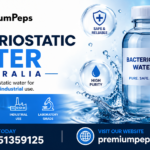

Bacteriostatic water remains a popular choice for pharmaceutical applications across many industries. Once opened, understanding their shelf life becomes critically important for safety. Bacteriostatic water Australia products require proper storage protocols after initial use. This guide explains everything you need to know about post-opening durability and maintenance standards.
Why Storage Matters: Protecting Your Bacteriostatic Water
Proper storage conditions determine whether your product remains viable long-term. Opened containers face increased contamination risks from environmental exposure. Bac water for sale in Australia depends heavily on correct handling after opening. Temperature fluctuations and air exposure significantly impact product stability and safety.
Key Storage Factors:
- Maintain temperatures between 15–25°C consistently
- Keep containers tightly sealed when not in use
- Store away from direct sunlight and heat sources
- Use sterile techniques during every access point
- Monitor for visible cloudiness or discolouration
Shelf Life After Opening: What You Should Know
Once opened, bacteriostatic water typically remains stable for approximately 28 days. However, proper storage techniques extend this considerably in ideal conditions. Most unopened vials last up to two years from manufacture. Opened containers require strict adherence to storage temperature guidelines consistently.
Post-Opening Timeline:
| Condition | Duration | Quality Level |
| Optimal storage | 28+ days | Highest integrity |
| Room temperature | 14 days | Moderate quality |
| Fluctuating temps | 7 days | Compromised safety |
Sterile Bac Water for Peptides: Premium Standards
Sterile bac water for peptides demands exceptional purity and stability standards. Peptide applications require the highest contamination prevention measures throughout storage. Even microscopic particles can compromise experimental results or safety outcomes. Premium formulations maintain product integrity longer under rigorous protocols.
Storage Requirements for Peptide Applications:
- Refrigeration recommended for extended viability
- Single-use vials eliminate contamination risks
- Sterile syringes prevent bacterial introduction
- Documentation of opening dates essential always
Bac Water Online Australia: Best Practices Guide
When sourcing bac water online in Australia, understanding shelf life becomes your responsibility post-purchase. Reputable suppliers provide clear expiration dates and manufacturing information. Always verify the opened vial handling procedures before initial use. Proper accountability ensures consistent product quality throughout the entire usage period.
Essential Verification Steps:
- Check manufacturing and expiration dates immediately
- Inspect for leaks or visible contamination before opening
- Document opening dates on all containers clearly
- Establish regular inventory rotation systems
- Dispose safely when exceeding recommended timeframes
Why Expiration Matters
Expired bacteriostatic water may harbour bacterial growth despite its bacteriostatic properties. Chemical degradation occurs gradually within sealed containers over time. Using expired products compromises safety and reliability significantly. Regular monitoring prevents accidental use of compromised batches entirely.
Take Control of Your Supply Quality Today
Don’t compromise on safety—establish robust storage protocols immediately. Purchase from trusted suppliers and maintain meticulous records always. Your product’s integrity depends on consistent attention to detail. PremiumPeps is a trusted provider of Bacteriostatic water in Australia. If you are looking for the best quality products, contact us.
Frequently Asked Questions
Q: Can I reuse opened bacteriostatic water after one month?A: No. Once 28 days pass, safe usage cannot be guaranteed. Discard responsibly and source fresh supplies instead.
Q: Does refrigeration extend shelf life significantly?A: Yes. Cool temperatures slow degradation processes considerably. Always follow manufacturer guidelines for your specific product carefully.
Q: How do I know if it’s contaminated?A: Cloudiness, discolouration, or particles indicate contamination clearly. Discard immediately without hesitation for safety reasons.
Q: What’s the difference between opened and unopened storage?A: Unopened vials last years; opened ones typically last 28 days maximum. Exposure dramatically accelerates degradation processes continuously.
Q: Should I document opening dates?A: Absolutely essential. Maintain detailed records for accountability and safety tracking purposes always.